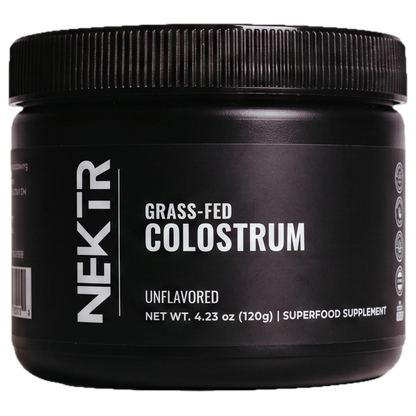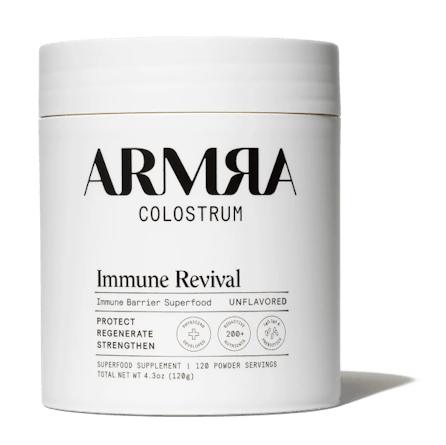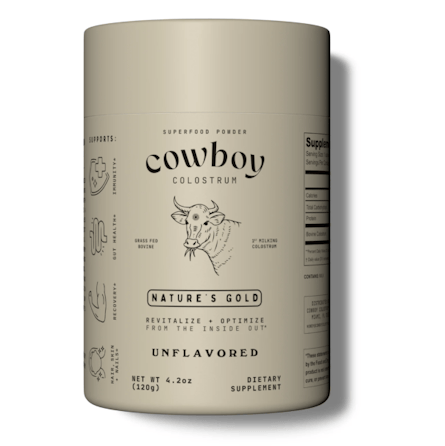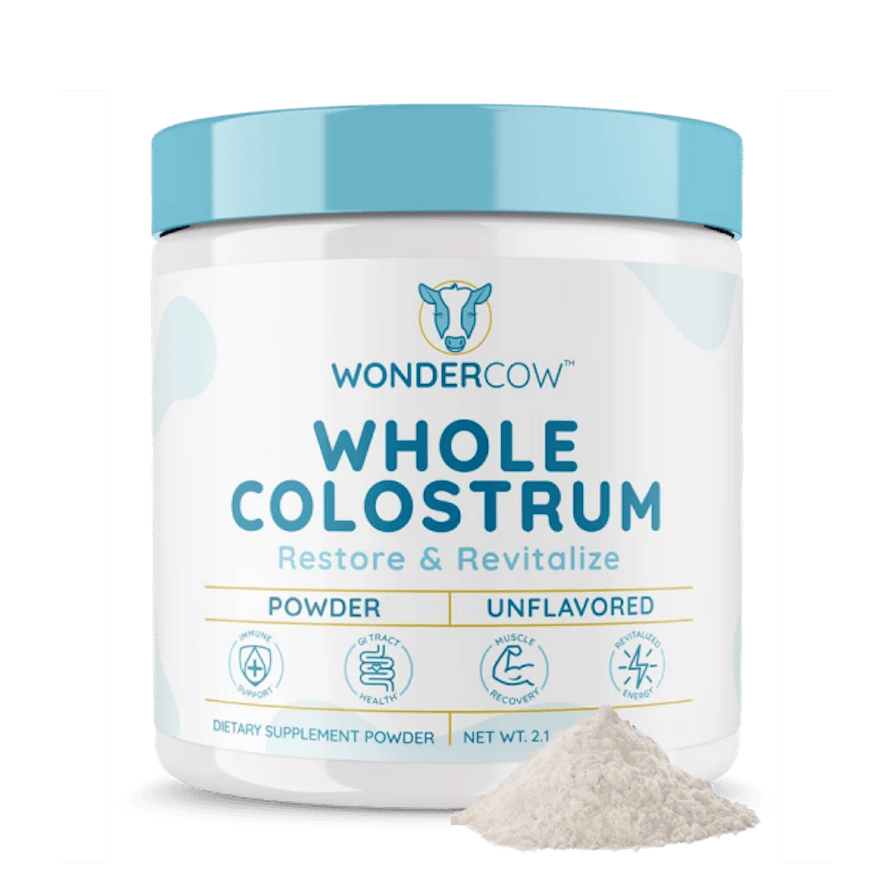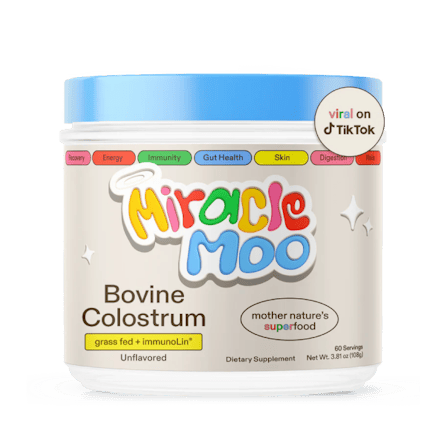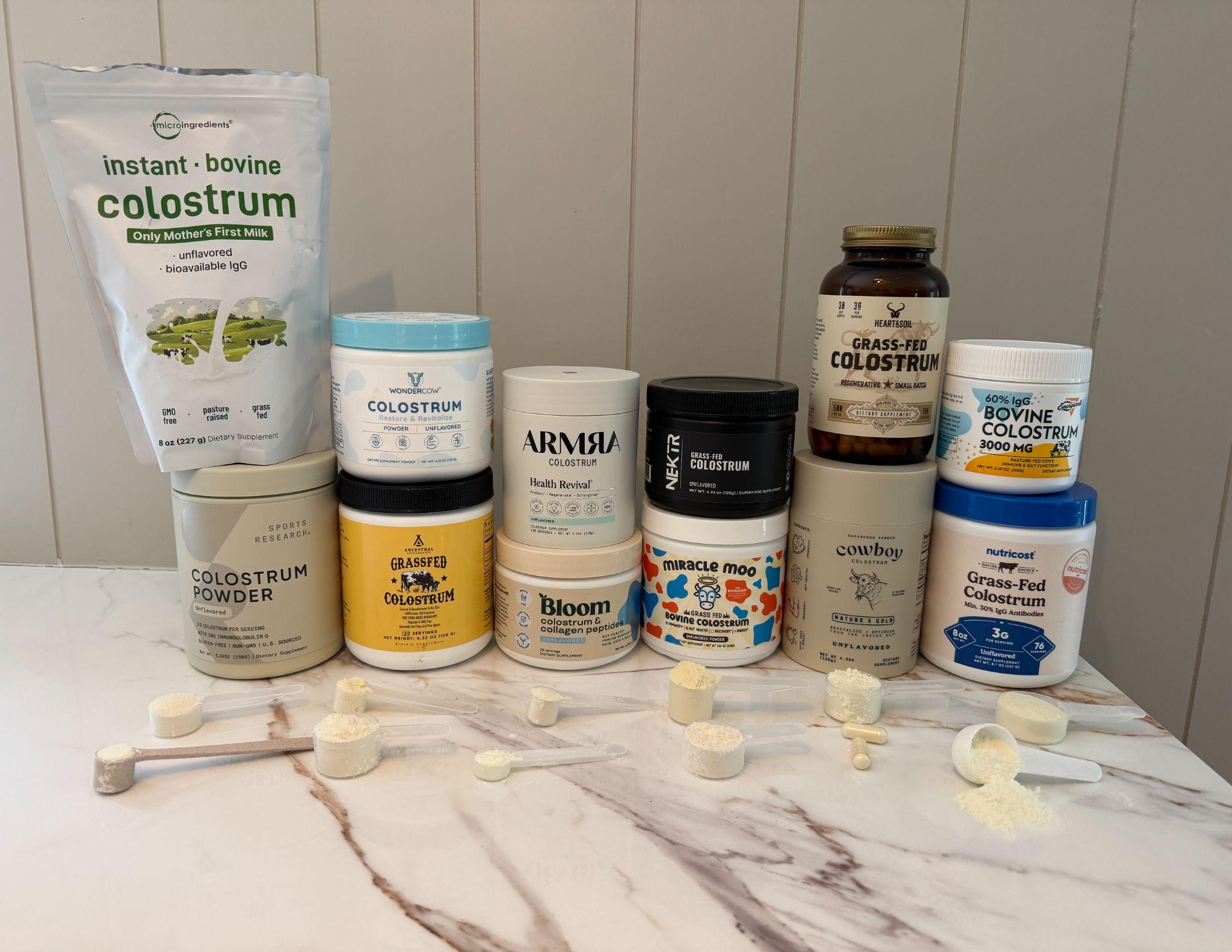
Looking for the Best Bovine Colostrum Powder in 2026?
Colostrum has earned serious attention in the supplement space - and for good reason. Research suggests it can support gut health, immune function, muscle recovery, and healthy aging. But not every product on the market is worth your money.
This guide breaks down exactly what separates a high-quality colostrum from one that underdelivers, so you can make a confident decision. [1,2,3,4]
Why Consider Bovine Colostrum
Bovine colostrum is nutrient-rich with immunoglobulins, growth factors, lactoferrin, and essential nutrients that the body can put to use directly.
The key benefits backed by research include:
- Gut health*
- Immune resilience*
- Muscle recovery*
- Energy levels*
- Skin, hair, and nail health*
Starting in our mid-thirties, the body produces fewer growth factors and immune compounds - affecting gut health, recovery, and energy. Bovine colostrum can address these changes and promote overall wellness. [1,2]
What Are the Key Benefits of Taking Bovine Colostrum?
- Maintaining gut lining integrity and supporting a healthy intestinal barrier.*
- Promotes cell regeneration to support healthy aging.*
- Helps regulate gut inflammation and improve digestion.*
- Enhances tissue repair and post-exercise recovery.*
- Provides antibodies and lactoferrin that strengthen immune defenses.*
- Encourages muscle growth via IGF-1 and IGF-2.*
- Supports sustaining energy levels and reducing fatigue.*
What Makes a Colostrum Powder Worth Taking
Not all bovine colostrum powders are the same.
Most products on the market cut corners in ways that aren’t obvious from the label. Sourcing, processing, and testing are what actually determine if the colostrum is high-quality. Here’s what to look for.
- First-Milking Collection: Colostrum harvested within the first 24 hours after birth is the most concentrated in immune factors and growth compounds. Later milkings are more dilute. If a brand doesn’t specify first-milking, assume it isn’t.*
- Low-Heat Processing: High heat destroys the bioactive compounds that make colostrum effective. Look for cold-processed or low-heat processing explicitly stated on the label.*
- Grass-Fed Sourcing: Cows raised on pasture produce higher-quality colostrum. Grass-fed also typically means no routine antibiotics or hormones.*
- Whole, Full-Fat: Skimmed or defatted colostrum strips out phospholipids and fat-soluble nutrients that matter for gut health and immune support. If the label doesn’t say whole or full-fat, it probably isn’t.*
- Third-Party Tested: Independent lab verification confirms what’s actually in the product. No third-party testing means the colostrum may not meet quality and safety standards.*
- Adequate Serving Size: Most research on colostrum uses 3 grams or more per serving. Many popular brands dose at 1 gram. A beautiful jar with an undersized scoop is a red flag.*
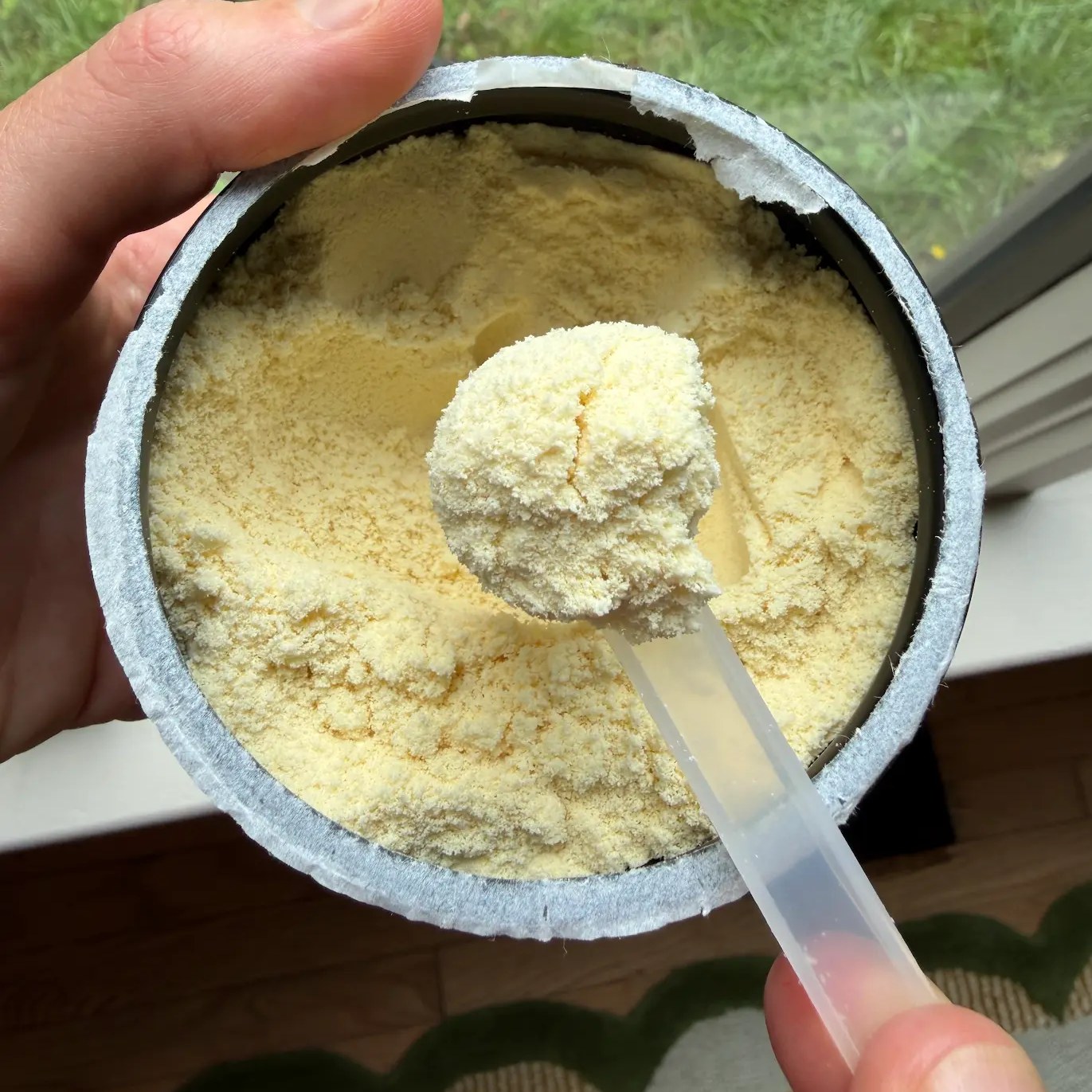
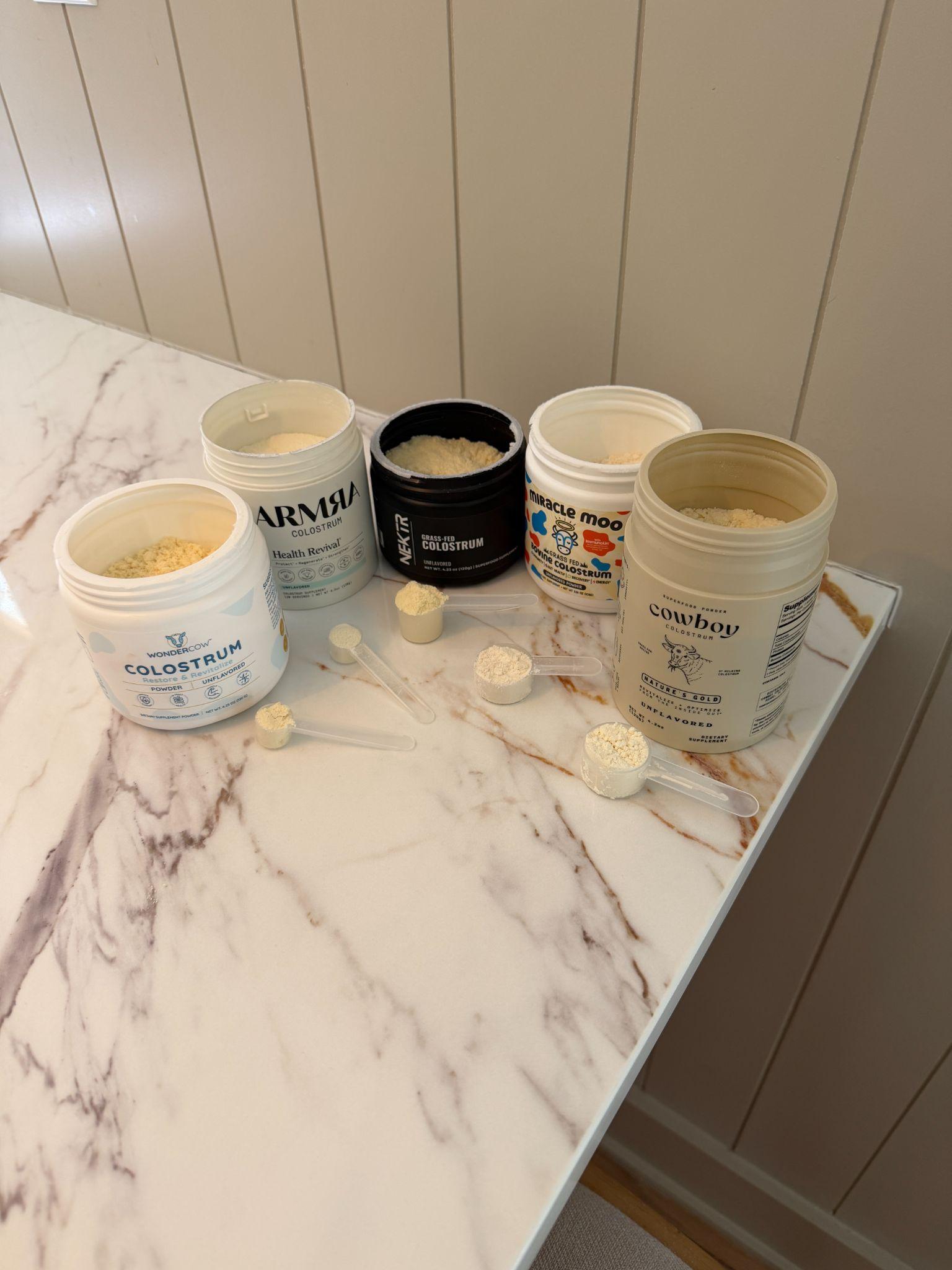
- Golden Powder Color: Pure, whole colostrum has a natural golden color. Make sure the colostrum powder has a natural golden hue because this shows it is whole and minimally processed. A bright white powder is often a sign of heavy filtration or fat removal.*
- No Fillers, Sweeteners, or Artificial Additives: Quality colostrum should stand on its own. Anything added beyond the colostrum dilutes it and is worth scrutinizing.*
- IgG% Content: More IgG isn’t better. Over-concentration strips out essential nutrients, growth factors and peptides that work alongside it.*
- Non-USA Sourcing: Colostrum sourced from outside the USA can sometimes lack consistent quality control, ethical standards, or transparency. Make sure you are choosing colostrum sourced and made in the USA.*
- High-Heat Processing: High-heat processing destroys immunoglobulins and growth factors - the compounds you’re actually paying for. Look for low-heat or gentle processing methods.*
- Skimmed or Defatted Formulas: Removing the natural fat strips out phospholipids and fat-soluble nutrients that contribute to colostrum’s benefits. Whole, full-fat colostrum preserves the complete nutritional profile.*
- No Third-Party Testing: Colostrum that isn’t verified by an independent lab may not meet quality and safety benchmarks. This is a non-negotiable for any supplement you’re putting in your body regularly.*
- Artificial Sweeteners or Fillers: Artificial additives, sweeteners, and fillers can dilute purity or potency, and may cause unwanted side effects. Opt for pure colostrum powder with minimal additional ingredients. If you do want a flavored option, make sure the flavor and sweetness come from clean, organic sources like organic vanilla or organic monk fruit, rather than artificial sweeteners.*
- White Powder Color: High-quality colostrum typically has a natural, creamy or pale golden hue. A white powder typically indicates heavy filtration, fat removal, or over-processing that strips out fat-soluble nutrients and bioactive compounds.*
- 1-Gram Servings: Underdosing is one of the most common issues in this category. Check grams per serving before you buy.*
- High IgG%: Higher IgG percentages aren’t a sign of quality. They’re often a sign of over-processing. Colostrum that’s been heavily filtered to concentrate IgG over 20% can lose the growth factors, peptides, and cofactors that make it effective in the first place. The goal is colostrum that reflects what nature produced, not a lab-concentrated extract.*
*Based on the individual experience of our team and on a number of user reviews of the product.
Note: We try to update product information as often as we can. Please visit product websites for more information.